




Knock Down Rebuild Costs in Melbourne | Full Cost Guide
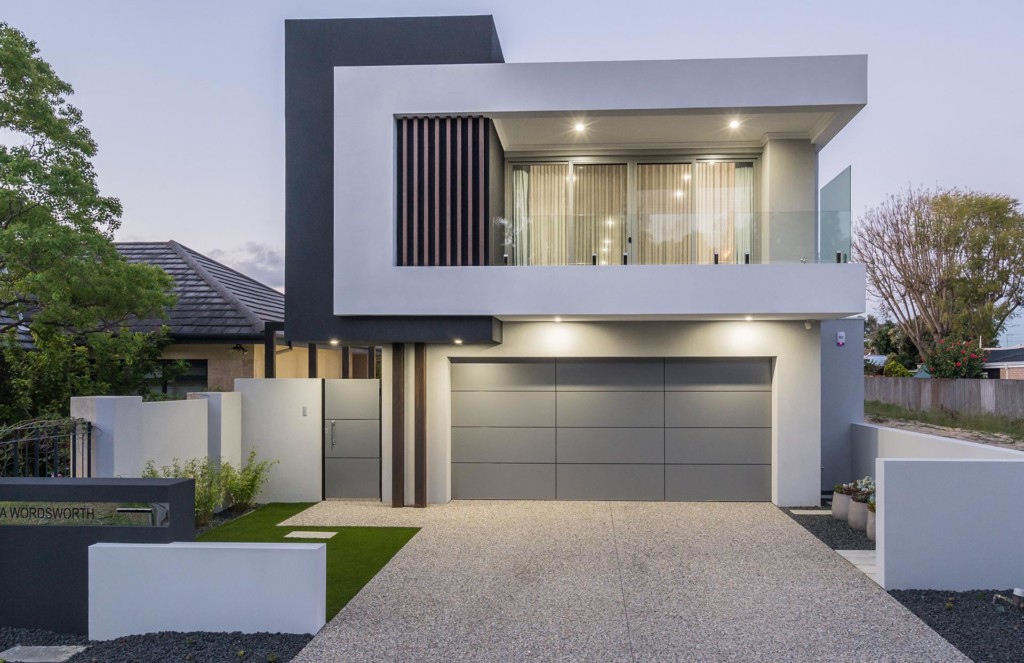
If you’re considering a knock-down rebuild in Melbourne, you’re likely weighing up the opportunity to create a modern, custom home on your existing block without the hassle of moving suburbs. At Destin Constructions, we’ve been guiding homeowners through this process since 1991, delivering tailored solutions that prioritise quality, transparency, and value. A knock-down rebuild lets you demolish an outdated structure and rebuild from scratch, often proving more efficient and cost-effective than extensive renovations. However, understanding the full costs involved is crucial to making an informed decision.
In this comprehensive guide, we’ll break down the knock-down rebuild cost in Melbourne, covering demolition, permits, site costs, and the timeline. We’ll draw on our decades of experience as trusted Melbourne builders to provide practical insights, helping you budget effectively and avoid common pitfalls. Whether you’re in Doncaster or elsewhere in Melbourne, our aim is to equip you with the knowledge to achieve a seamless project that aligns with your vision and lifestyle.
By the end, you’ll see why a knock-down rebuild could be the smartest investment for your property and how we at Destin Constructions can make it happen. If you’re ready to explore your options, give us a call on 0418 568 290 or email ds@destinconstructions.com.au to discuss your project.
What is a Knock Down Rebuild and Why Choose It in Melbourne?
A knock down rebuild (often called KDR) means tearing down your current home and building a brand-new one right there on the same spot. This idea is becoming more popular in Melbourne’s well-established neighborhoods, where land is precious but older homes might not fit modern lifestyles. Unlike renovations, which sometimes reveal hidden problems like weak structures or outdated wiring, a KDR gives you a fresh start, so you can create a home that’s perfectly suited to your needs.
Benefits of Knock Down Rebuild vs Renovation
Many homeowners initially consider renovating to save money, but our experience shows that renovations often escalate in cost due to unforeseen problems. For instance, retrofitting an older Melbourne home to meet current energy standards can be prohibitively expensive. In contrast, a knock-down rebuild offers several advantages:
- Cost Predictability: With a KDR, we provide fixed pricing upfront, minimising surprises. Renovations, however, can blow out by 20-30% due to discoveries like asbestos or foundation issues.
- Energy Efficiency: New builds comply with Australia’s 7-star energy rating requirements, reducing long-term utility bills. Older renovated homes struggle to achieve this without major overhauls.
- Custom Design: Tailor every aspect to your family’s needs, from open-plan living to multi-storey layouts. As Class 2 builders, we specialise in multi-unit and multi-storey developments, ideal for townhouses or apartments.
- Property Value Boost: A modern home in a desirable Melbourne location can increase resale value significantly, often more than a patched-up renovation.
- Less Disruption Long-Term: While you’ll need temporary accommodation during the build, the end result is a low-maintenance home backed by builder warranties.
In Melbourne’s competitive market, where suburbs like Doncaster offer excellent lifestyle benefits, a KDR lets you stay put while upgrading. We’ve completed numerous projects here, ensuring compliance with local council regulations for a stress-free experience.

Is a Knock Down Rebuild Worth It in 2026?
With construction costs stabilising in 2026, now is an opportune time. Average build costs per square metre range from $2,100 to $3,900, depending on specifications. For a 200m² home, this equates to $420,000 to $780,000 in construction alone, plus other fees. Compared with buying an established home, you save on stamp duty and agent fees, making it a savvy choice for long-term residents.
Full Breakdown of Knock Down Rebuild Costs in Melbourne
The total knock-down rebuild cost in Melbourne typically ranges from $450,000 to $900,000 or more, influenced by factors such as home size, design complexity, and site conditions. At Destin Constructions, we emphasise transparent budgeting, breaking it down into key components to help you plan.
Demolition Costs
Demolition is the first major expense in a knock-down rebuild. In Melbourne, costs range from $15,000 to $45,000, averaging $18,000 to $30,000 for a standard single-storey home. This includes disconnecting utilities, removing debris, and site clearance.
Key factors affecting demolition costs:
- Home Size and Materials: A larger brick home costs more than a smaller weatherboard one. Double-storey structures add complexity.
- Asbestos Presence: Homes built before 1990 often contain asbestos, requiring specialised removal costing an extra $5,000-$15,000.
- Site Access: Narrow blocks or sloping land in suburbs like Doncaster can increase costs due to equipment limitations.
- Waste Disposal: Environmentally responsible disposal, including recycling, adds to the bill but is mandatory under Victorian regulations.
We recommend engaging licensed demolition contractors early. At Destin Constructions, we coordinate this phase seamlessly, ensuring all safety protocols are followed. For a typical 1970s Melbourne home, expect to pay $20,000-$25,000. Always budget a 10% contingency for surprises.

Permits and Approvals
Permits are essential for compliance and can cost $1,500-$5,000 or more. In Melbourne, you’ll need both building and potentially planning permits.
- Building Permit: Issued by a registered building surveyor, this ensures your design complies with the National Construction Code. Costs: $1,000-$3,000, including inspections..
- Planning Permit: Required if your site has overlays (e.g., heritage, vegetation) or for multi-unit developments. In Doncaster, for example, town planning approval may be required for multi-storey projects. Fees: $500-$2,000, plus surveyor reports..
- Demolition Permit: Separate approval under the Building Act 1993 is often required, with a Section 29A Report needed if demolishing more than half the structure. Cost: $500-$1,000.
- Asset Protection Permit: Protects council assets like footpaths; around $500.
We handle permit applications for our clients, drawing on our expertise to expedite the process. Delays can occur in busy councils, so allow 4-16 weeks. Heritage overlays in inner Melbourne can add complexity and cost.

Site Costs
Site preparation is often the most variable expense, ranging from $10,000 to $80,000+. This includes soil testing, earthworks, and foundations..
- Soil Testing and Reports: Essential for foundation design; $2,000-$5,000.
- Earthworks and Levelling: For sloping blocks common in Melbourne’s east, cut-and-fill can cost $5,000-$20,000.
- Foundations and Slabs: Piling or reinforced slabs for reactive soils: $10,000-$40,000.
- Utility Connections: Reconnecting water, gas, electricity: $5,000-$15,000.
- Retaining Walls and Drainage: Necessary for flood-prone areas; $5,000-$20,000.
In our projects, we conduct thorough site assessments early to provide accurate quotes. For a flat 450m² block, site costs might be $20,000-$30,000, but steeper sites can double this.
Construction Costs
The bulk of your budget goes here, with per square metre costs from $1,800-$3,900. For a 250m² home, expect $450,000-$975,000.
- Basic Build: $300,000-$500,000 for a three-bedroom single-storey.
- Mid-Range: $500,000-$700,000 with upgrades like stone benchtops.
- Premium: $700,000+ for custom features.
We offer fixed-price contracts, including premium workmanship and modern techniques for enduring quality.
Additional Costs to Consider
- Design and Architecture: 8-12% of build cost, or $20,000-$50,000.
- Landscaping: $20,000-$50,000.
- Temporary Accommodation: $20,000-$40,000 for 6-12 months.
- Contingency: 10-15% of total budget.

Knock Down Rebuild Timeline in Melbourne
A typical KDR takes 12-20 months from planning to handover. Here’s a step-by-step breakdown:
- Initial Planning (4-12 weeks): Consult with us, design your home, and budget.
- Permits and Approvals (4-16 weeks): Submit applications; inner suburbs may take longer.
- Demolition (2-4 weeks): Clear the site; weather-dependent.
- Site Preparation (4-8 weeks): Earthworks and foundations.
- Construction (8-14 months): Framing, fit-out, and finishes. Melbourne’s winters can add delays.
- Final Inspections and Handover (2-4 weeks): Certifications and move-in.
We manage timelines rigorously, with regular updates to keep you informed.
Factors Influencing Your Knock Down Rebuild Cost in Melbourne
- Location: Eastern suburbs like Doncaster have higher land values but similar build costs.
- Home Specifications: Multi-storey or luxury finishes increase expenses.
- Market Conditions: In 2026, material costs are stable, but labour shortages could impact.
- Builder Choice: Opt for experienced firms like us for value and reliability.
Tips for Managing Your Knock Down Rebuild Budget
- Start with a detailed site survey.
- Choose energy-efficient designs to save long-term.
- Secure finance early; consider construction loans.
- Work with a builder who offers end-to-end management.
Timeline:
How long does a knock down rebuild take in Melbourne?

A typical Melbourne knock-down rebuild often takes 12–18 months end-to-end, depending on approvals, design complexity, and the build program. Demolition itself can be completed in weeks, while construction is often quoted as 8–14 months, depending on the home and program.
A realistic timeline breakdown
- Feasibility + concept planning: 2–6 weeks
- Design development + documentation: 4–12 weeks
- Planning approvals (if required): varies (council-dependent)
- Demolition + site clearing: ~2–6 weeks (site-dependent)
- Construction: often ~8–14 months (design + site dependent)
- Occupancy / handover + defects period: finalisation + post-handover follow-ups (builder-managed)
The big message: approvals and site realities drive timelines more than people expect. The earlier we verify those, the smoother your schedule.
Cost checklist:
what you should ask any builder before you sign
If you’re comparing builders for a knock down rebuild in Melbourne, ask:
- What exactly is included in the demolition allowance? (asbestos? disconnections? concrete removal?)
- Are planning and building permits included or managed by us/you?
- Have you allowed for VBA levy and permit processing costs?
- What site costs are fixed vs provisional?
- What’s excluded at handover? (driveway, landscaping, window furnishings)
- How do you handle variations and selections?
- What’s your realistic timeline and what causes delays?
- How do you budget contingency?
Why Choose Destin Constructions for Your Melbourne Knock Down Rebuild?
Since 1991, we have built our reputation as a trusted construction company in Melbourne by delivering on our promises. Here’s how we ensure your KDR journey is smoother:
- End-to-End Management: We manage every stage, demo, permits, site works, and construction—providing a single point of contact and accountability.
- Transparent, Fixed-Price Contracts: No hidden costs. Our detailed quotes mean you know exactly what you’re paying for.
- Class 2 Builders Licence: This authorisation for multi-storey developments demonstrates our technical capability and commitment to the highest building standards, even for your single, luxury home.
- Experience & Local Knowledge: Three decades of building across Melbourne means we understand local council requirements, soil conditions, and design nuances.
- Premium Workmanship, Clear Communication: Our core philosophy ensures a result that matches your vision, budget, and lifestyle.

Estimate Your Knock Down Rebuild Cost Today
Every block in Melbourne is unique. A “ballpark” figure online can’t account for the specifics of your site in Doncaster or your vision for a custom family home.
Let’s discuss your project. We provide practical building solutions tailored to your goals and budget.
Contact Our Expert Team:
- Call Us: 0418 568 290
- Email: ds@destinconstructions.com.au
- Visit Our Office: 80 Ayr Street, Doncaster, VIC 3108
Destin Constructions – Committed to Excellence in Melbourne Building Since 1991.
Frequently Asked Questions
1) How much does a knock down rebuild cost in Melbourne in 2026?
Knock-down rebuild costs in Melbourne usually fall into a few clear “bands”, depending on your home’s size, site conditions, specification level, and approvals. A basic single-storey with standard finishes and a straightforward block will typically sit at the lower end, while double-storey builds, higher-end inclusions, sloping blocks, reactive soils, or bushfire overlays will push costs up quickly. The most accurate way to budget is to separate build cost + demolition + site works + permits + services + temporary fencing/HOA + contingencies, then check what your builder includes and what is treated as a “site cost” or “owner cost.” For a reliable number, we recommend a site review and a fixed-scope estimate so you don’t get caught by hidden costs later.
2) What’s included in “demolition costs” for a knock down rebuild in Melbourne?
Demolition isn’t just “knock it down and cart it away.” A proper demo allowance often includes: site safety, temporary fencing, disconnections and capping of services, machine demolition, waste removal, and site scraping and levelling. Costs can increase if there’s asbestos, restricted access, tight urban blocks, heritage considerations, shared driveways, or proximity to neighbours and powerlines. You’ll also want clarity on whether the demo scope includes tree removal, stump grinding, slab removal, or retaining wall removal, as these items are common budget blow-outs. We always recommend confirming the full demolition scope in writing before signing a building contract.
3) Do I need a planning permit or just a building permit in Melbourne (and how does it affect cost)?
Some knock down rebuild projects only require a building permit. However, many suburbs in Melbourne may need planning permits depending on factors like zoning, overlays, setbacks, neighbourhood character, vegetation, heritage rules, or increased site coverage. Getting a planning permit can add to the overall cost and timeline because you might need to prepare drawings, reports, notify neighbours, and undergo council review. To make the process smoother, it’s a good idea to do a quick planning check early on. This helps you understand whether you can move forward quickly or if you should plan for more time and possibly consulting help. We’re here to assist clients in understanding the likely approval process before finalizing their designs.
4) What site costs should I expect on a knock down rebuild block in Melbourne?
Site costs are one of the biggest reasons people underestimate knock-down rebuild costs in Melbourne. Common site costs include: soil classification and engineering requirements, slab type upgrades, cut and fill, retaining walls, drainage and stormwater upgrades, piering, rock removal, and site access constraints (crane access, narrow streets, limited storage). If your block is sloping or has reactive clay, site costs can escalate quickly. That’s why we recommend soil testing and a site inspection early, so your budget matches the reality of your land, not an “ideal block” estimate.
5) How do service connections (water, sewer, power, NBN, gas) impact total cost?
Service connections can be simple, or surprisingly expensive, depending on what’s already on site and what needs upgrading. Even if services exist, you might need: sewer relocation, upgraded stormwater connection, new water meter position, upgraded electrical supply, new pit locations, or compliance upgrades. Some costs sit with the builder, some with the service authority, and some as owner costs. Also check if your block has easements that restrict where you can build and where services can run. We guide you through what’s usually included and what needs separate allowances so you can budget properly from day one.
6) How long does a knock down rebuild take in Melbourne from start to finish?
A realistic timeline includes multiple stages: initial consult and design, engineering/energy reports, permits, demolition, site works, construction, and handover. If a planning permit is required, the pre-construction phase can be longer. Weather, material lead times, and site conditions can also affect the build schedule. The best way to reduce delays is to finalise selections early, confirm the approval pathway upfront, and work with a builder who provides clear milestones and proactive project communication. We focus on reliable timelines and transparent project management so clients know what to expect.
7) Is knock down rebuild cheaper than renovating in Melbourne?
It depends on your home’s condition, goals, and the renovation scope. Renovations may reveal issues like hidden repairs, outdated wiring, asbestos, rising damp, or poor foundations, which can inflate costs and cause layout compromises. A knock-down rebuild offers a new home tailored to your lifestyle, often more energy-efficient and with fewer surprises if properly scoped. For major renovations plus extensions, compare the renovation budget with the total cost of a new build, including demolition and site work.
8) Can I live on-site during a knock down rebuild?
In most cases, no, because demolition and construction sites are neither safe nor permitted for occupancy. You’ll need to budget for temporary accommodation, moving and storage, and potentially additional holding costs if you’re paying rent and mortgage. This isn’t always a “construction cost,” but it’s a real project cost that affects your total budget. We recommend building these costs into your overall knock-down rebuild plan early so you can make confident decisions about timing and financing.
9) What are the most common hidden costs people miss in Melbourne knock down rebuild budgets?
The most common missed costs include: asbestos removal, tree removal, retaining walls, upgraded stormwater solutions, crossover/driveway works, council or authority fees, upgrading to meet energy requirements, builder’s temporary fencing and site amenities, and post-build external works such as landscaping, fences, letterbox, clothesline, and window furnishings. People also miss the difference between a “base price” and a properly scoped fixed-price build with realistic inclusions. The safest approach is to request a detailed scope and a transparent list of allowances, then add a sensible contingency for unknowns.
10) How do I get an accurate quote for knock down rebuild cost in Melbourne (not just a “from” price)?
To get a reliable estimate, you need a builder who reviews your site, checks likely permit requirements, confirms inclusions, and clearly itemises demolition and site works. A quick “from” estimate might not include the real costs that apply to your block. The best process is: site review + preliminary design + soil test/engineering guidance + permit pathway check + transparent inclusions schedule. If you’d like, we can provide a clearer cost range for your land and goals and explain the timeline and next steps.
