




Building Permit Process in Victoria (2026): What Homeowners Need to Know
Understanding the building permit Victoria landscape is the first step toward a successful build. Whether you are planning a sleek modern extension in Doncaster or a sophisticated multi-unit development in Melbourne’s inner suburbs, securing the right approvals is non-negotiable.
At Destin Constructions, we have been Melbourne’s trusted builders since 1991. With over three decades of experience, we know that the permit process can feel like a maze of red tape. In this comprehensive guide, we break down everything you need to know about securing a building permit in Melbourne in 2026, ensuring your project remains compliant, safe, and on schedule.
What Is a Building Permit in Victoria?
A building permit in Victoria is an official written approval that authorises you to commence construction. Issued by a registered building surveyor, it confirms that your proposed plans and specifications meet the minimum standards set out in the Building Code of Australia (BCA), the National Construction Code (NCC), and Victorian building regulations. It’s your licence to build, ensuring the safety, health, amenity, and sustainability of the structure.
In Melbourne and throughout Victoria, building permits are mandatory for most construction activities. They protect homeowners by verifying that the work will be structurally sound, energy-efficient, and compliant with local laws. Without a valid building permit in Victoria, starting work can lead to hefty fines, project delays, or even forced demolition. As Class 2 builders authorised for multi-unit and multi-storey developments, we at Destin Constructions emphasise the importance of this process to deliver enduring quality in every project.
Building permits in Melbourne also involve strict quality checks, from initial planning to final handover. This oversight helps prevent issues like non-compliant materials or unsafe designs, giving you peace of mind that your investment is protected.
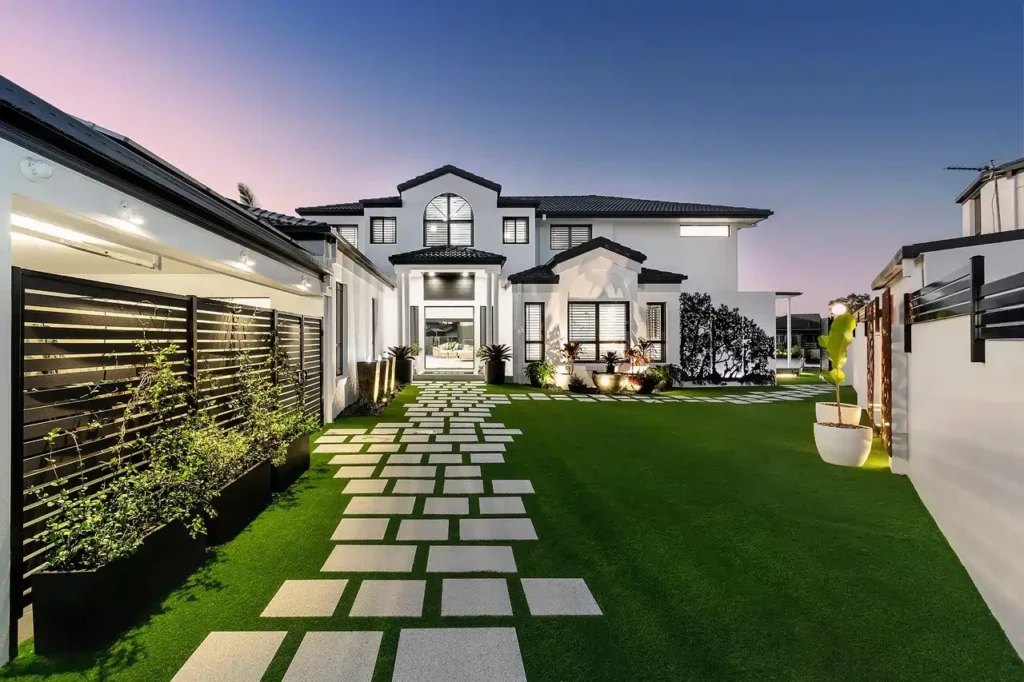
Do You Need a Building Permit in Victoria?
In most cases, yes. Victorian law requires a building permit for a wide range of projects, including:
- New home constructions or custom builds.
- Home extensions, such as adding a second storey, veranda, or garage.
- Renovations involving structural changes, like removing walls or altering windows.
- Commercial fit-outs or multi-residential developments, including townhouses and apartments.
- Demolition work or alterations to existing buildings.
- External works like swimming pools, decks, or retaining walls over a certain height.
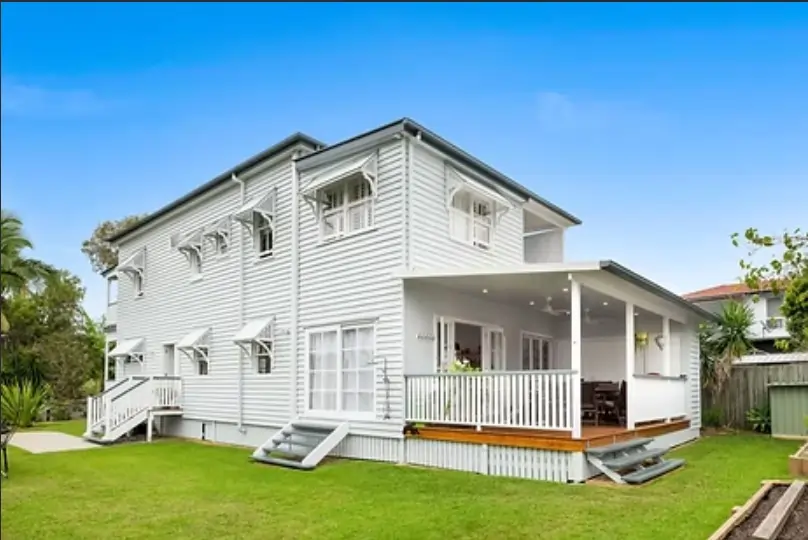
However, some minor works may be exempt, such as small garden sheds under 10 square metres or non-structural cosmetic updates, such as painting. To confirm whether your project needs a building permit in Melbourne, consult a registered building surveyor or your local council early. We recommend this step to avoid surprises, as many homeowners underestimate the scope and end up needing permits unexpectedly.
If you’re unsure about your building permit requirements in Victoria, our team at Destin Constructions can provide a free initial assessment. We’ve managed hundreds of projects across Melbourne, ensuring compliance from the outset.
The Difference Between Planning Permits and Building Permits in Victoria
One common source of confusion for homeowners is distinguishing between planning permits and building permits in Victoria. These are separate approvals, each governed by different regulations::
- Planning Permit: Issued by your local council, this focuses on land use, zoning, environmental impact, and how the development fits into the neighbourhood. It’s often required for projects that change the site’s appearance or use, such as subdivisions or multi-unit builds. Planning approval must be obtained before applying for a building permit if it’s needed.
- Building Permit: Handled by a registered building surveyor, this deals with the technical aspects of construction, ensuring safety and compliance with building codes. It comes after planning approval (if required) and authorises the actual building work.
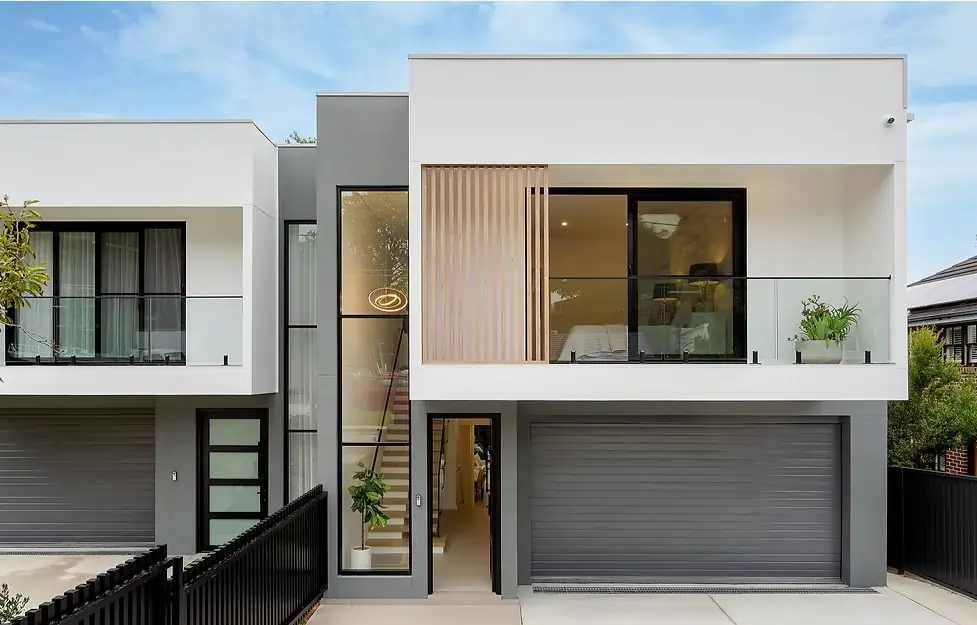
In Melbourne, many projects require both, especially in areas with overlays such as heritage or flood zones. For instance, a custom home build in Doncaster might need council planning approval for design aesthetics before we can secure the building permit for construction details.
Failing to get the right permits in sequence can cause delays. At Destin Constructions, we guide clients through both processes seamlessly, leveraging our experience as Melbourne builders to coordinate with councils and surveyors.
Step-by-Step Guide to the Building Permit Process in Victoria (2026)
The building permit process in Victoria is structured to ensure thorough compliance. Here’s a detailed breakdown of the steps, updated for 2026 considerations:
Required Documents for a Building Permit Application in Victoria
To streamline your building permit application in Melbourne, gather these essentials early:
- Application Form: Standard form from the VBA or your surveyor.
- Drawings and Plans: Detailed architectural, site, and elevation plans.
- Specifications: Materials, finishes, and construction methods.
- Engineering Reports: Structural, civil, and hydraulic designs.
- Specialist Reports: Energy rating, soil test, BAL, and acoustic if needed.
- Consents and Approvals: From authorities like water boards or heritage bodies.
- Proof of Ownership: Title deeds or contracts.
- Builder Details: Registration and insurance certificates.
For 2026, expect emphasis on sustainability reports due to evolving codes. Incomplete documents are a top rejection reason; our expertise at Destin Constructions ensures everything is thorough.

2026 Updates: What's Changed and What's Coming
One of the most significant changes in recent years affects homeowners considering granny flats or secondary dwellings. Since reforms introduced through Amendment VC253 (December 2023), building a small second home up to 60 square metres no longer requires a planning permit in most residential and rural zones, provided there are no special controls, such as flooding, environmental, or heritage overlays.
This reform means:
- Faster approvals: Building permits typically process in 3-6 weeks, down from 8-12 weeks
- Lower costs: Average permit costs $2,500-$4,000, compared to $8,000-$15,000 when planning permits were routinely required
- More flexibility: You can legally rent your granny flat to anyone, not just dependent family members
However, building permits remain mandatory regardless of size, ensuring your structure meets all safety and construction standards .
Upcoming Developer Bond Scheme (2026-2027)
From July 2026, significant changes will affect residential apartment developments of four storeys or more. The new Developer Bond Scheme will require developers to provide security for reportable defective building work before obtaining an occupancy permit.
Key points for homeowners to understand:
- Developments with building permits issued before 1 July 2027 may be exempt
- The bond amount will be calculated as 2% of the total build cost
- This scheme aims to provide additional protection for apartment buyers
- Bonds will typically be held for 12-24 months after occupancy permits are issued
Costs Involved in Obtaining a Building Permit in Victoria
Costs vary by project scale, location, and surveyor, but here’s a 2026 estimate:
- Lodgement Fee: $120-$140.
- Building Permit Levy: $1.28 per $1,000 for works over $10,000 (e.g., $1,280 for a $1 million project).
- Surveyor Fees: $1,000-$5,000+ for assessment and inspections, depending on complexity.
- Extension Fees: $250-$300 if the permit expires.
- Additional Costs: Planning permit fees ($1,000-$10,000+), engineering reports ($500-$2,000), and council contributions.
For a typical Melbourne home extension, total permit costs might range from $2,000-$10,000. We provide transparent quotes to help budget accurately.

Timelines for the Building Permit Process in Victoria
Timelines depend on preparation and demand:
- Planning Permit: 1-12 months.
- Building Permit Application: 1-4 months.
- Construction: Varies by project (e.g., 6-12 months for a custom home).
- Overall: 6-24 months from start to finish.
In 2026, with industry growth, plan for delays. Starting early with us can shave weeks off.
Common Challenges and How to Avoid Them
Homeowners often face:
- Incomplete Documentation: Solution: Use checklists and professional drafters.
- Non-Compliance Issues: Solution: Engage experts for code reviews.
- Delays from Objections: Solution: Consult neighbours early.
- Cost Overruns: Solution: Get fixed-price contracts.
- Choosing the Wrong Surveyor: Solution: Verify VBA registration.
We’ve seen these pitfalls in Melbourne projects, our proactive approach avoids them.
Tips from Destin Constructions: Expert Advice for Homeowners
- Start planning early, permit processes take time.
- Budget for contingencies (10-15% of project cost).
- Choose sustainable materials for better energy ratings.
- Maintain records for future sales.
- Partner with experienced Melbourne builders like us for end-to-end support.
How Destin Constructions Can Help with Your Building Permit in Victoria
At Destin Constructions, we’re more than builders. We’re your partners in navigating the building permit process in Melbourne and Victoria. Since 1991, we’ve delivered custom homes, renovations, and commercial projects with premium workmanship and reliable timelines. Our team handles documentation, surveyor coordination, and compliance, ensuring fewer surprises and a result that matches your vision.
Ready to discuss your project? Contact us for a consultation. Call 0418 568 290, submit an enquiry via our contact form, or email ds@destinconstructions.com.au. Visit us at 80 Ayr Street, Doncaster, VIC 3108.
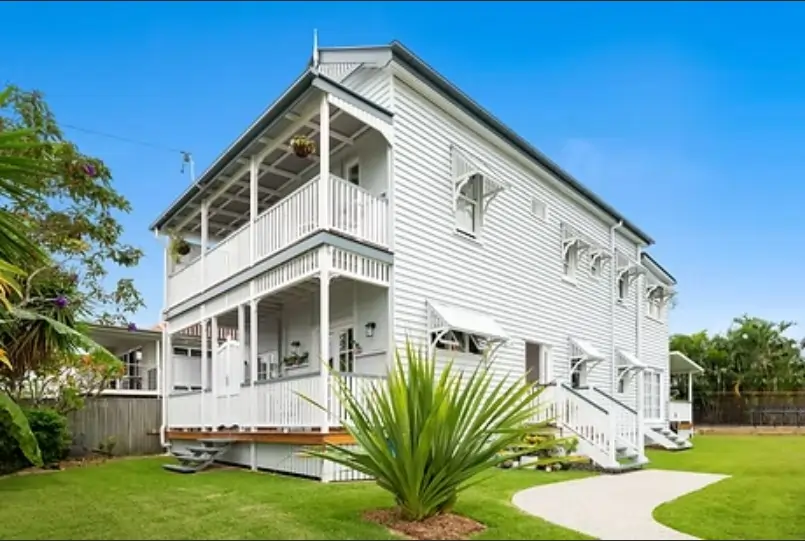
Class 2 Builders: The Destin Constructions Advantage
If you are looking at multi-unit or multi-storey developments, you need a Class 2 registered builder. Destin Constructions is fully authorised for these complex projects. The permit process for multi-residential builds is significantly more rigorous, involving additional fire safety and structural checks. Our expertise ensures these hurdles are cleared efficiently.
Your Building Journey Starts with Confidence
Navigating Victoria’s building permit process need not be daunting. With the right information and expert guidance, you can move confidently from concept to construction. The 2026 landscape offers streamlined pathways for secondary dwellings, enhanced protections through the Developer Bond Scheme, and clear processes for standard projects.
At Destin Constructions, we believe that a well-managed permit process sets the foundation for a successful build. Our three decades of Melbourne construction experience, combined with up-to-date knowledge of 2026 regulations, ensures your project begins on solid ground.